



Selling a business is one of the most significant financial decisions an entrepreneur can make. After years of building a company, managing employees, developing customer relationships, and creating value, the decision to sell represents much more than a financial transaction. It is a transition that can shape an owner’s retirement, family legacy, financial security, and future opportunities.
Whether you are planning to retire, pursue another venture, or transfer ownership to the next generation, a successful business sale requires careful preparation.
Understanding your company’s value, evaluating potential buyers, structuring the transaction, and planning for taxes are essential steps. Equally important is determining how the proceeds from the sale will support your personal and long-term financial goals.
This guide explores the key considerations business owners should understand before, during, and after selling a business.
Business exit planning should ideally begin well before a company is placed on the market. Depending on the business’s financial condition, operational complexity, and ownership goals, preparation may begin a year or more in advance. Starting early provides additional time to address potential weaknesses, coordinate professional advisors, and evaluate available exit options.
1. Start With Your Personal and Financial Goals
Before exploring potential buyers or negotiating a sale price, business owners should establish what they want to accomplish through the transition.
Your company’s market value and the amount of money you need to achieve your financial goals are not necessarily the same.
For example, an owner preparing for retirement may prioritize receiving sufficient proceeds to support future living expenses. Another owner may be interested in retaining partial ownership, pursuing new investments, or continuing to work as a consultant.
Consider the following questions:
What lifestyle do you want after leaving the business?
How much annual income will you need during retirement?
Do you have outstanding personal or business debts?
Would you prefer a complete sale or a gradual ownership transition?
Do you want to provide financial support to family members?
Are charitable contributions or estate planning part of your long-term goals?
Answering these questions helps establish a financial target and identify the type of transaction that may be most appropriate.
Understand Your Financial Position
Begin by evaluating your personal assets, liabilities, investments, expected retirement expenses, and other income sources.
A financial plan can help estimate how much money you may need after the sale, taking into account inflation, healthcare expenses, lifestyle changes, investment risks, and potential taxes.
It is also important to distinguish between the total sale price and the amount you will actually receive.
Transaction fees, outstanding business liabilities, taxes, deferred payments, and other contractual obligations can significantly affect your net proceeds.
Ultimately, selling your business should support a broader financial strategy rather than simply achieve the highest possible headline price.
2. Prepare Your Business for a Successful Sale
A profitable business is not automatically ready to sell.
Potential buyers typically examine financial performance, operational stability, customer relationships, legal obligations, and future growth opportunities before making an offer.
The more organized and transferable your business is, the easier it may be for potential buyers to evaluate the opportunity.
Organize Financial Records
Accurate financial reporting is critical during the sale process.
Business owners should review and organize documents such as:
Financial statements and tax returns
Profit and loss reports
Cash flow statements
Accounts receivable and payable
Existing loans and outstanding liabilities
Major contracts and lease agreements
Payroll and employee benefit obligations
Potential buyers may also request additional records as part of financial and legal due diligence.
Addressing accounting inconsistencies and unresolved financial issues early can help reduce delays, strengthen buyer confidence, and support negotiations.
Reduce Business Risks
Buyers often assess whether a company can continue operating successfully after its current owner leaves.
Certain risks may reduce a company’s attractiveness, including excessive dependence on the owner, concentration of revenue among a few customers, outdated operating systems, or limited management resources.
Business owners can improve readiness by documenting important processes, strengthening customer relationships, reviewing contractual obligations, and developing a reliable leadership team.
For instance, a business that generates most of its revenue through personal relationships maintained exclusively by the founder may be more difficult to transfer than a company with established sales processes and an experienced management team.
Retain Key Employees
Employees can play a critical role in preserving business continuity during an ownership transition.
Losing experienced managers or key personnel before a sale may disrupt operations and negatively affect business value.
Depending on the circumstances, owners may consider retention agreements, transition bonuses, professional development opportunities, or appropriately structured long-term incentive arrangements.
The objective is to maintain operational stability while helping employees understand how the transition may affect their roles.
3. Understand Your Business Valuation
Knowing what your company is worth is essential before entering negotiations.
However, business valuation is not based solely on annual revenue or the amount of money invested in building the company.
A valuation considers financial performance, assets, liabilities, market conditions, future earnings potential, industry risks, and other business-specific factors.
Common Business Valuation Methods
Income-Based Valuation
This approach estimates the value of a business based on its ability to generate future financial returns.
Depending on the methodology, analysts may examine projected cash flows, earnings, growth assumptions, and the risks associated with achieving those forecasts.
Market-Based Valuation
This method compares a company with similar businesses that have been sold or publicly traded.
Industry trends, company size, profitability, geographical markets, and transaction characteristics may influence the comparison.
Asset-Based Valuation
This approach evaluates the value of a company’s assets relative to its liabilities.
It may be particularly relevant for certain asset-intensive businesses, although the method’s usefulness depends on the company’s operations and circumstances.
Why Professional Valuation Matters
A professional business valuation can provide a more objective estimate of what a buyer may reasonably pay.
It may also identify operational or financial weaknesses that should be addressed before marketing the business.
For example, an independent valuation could reveal that a company has strong revenue but below-average profit margins compared with similar businesses.
Identifying the issue early may allow the owner to improve operational efficiency before initiating a sale.
A valuation specialist, experienced accountant, or qualified business appraiser can help determine the most appropriate approach.
Importantly, a valuation is an estimate, not a guarantee of the final transaction price.
4. Choose the Right Exit Strategy and Buyer
Not every business sale follows the same path.
Some owners prefer to sell their entire company to an outside buyer. Others want to transfer ownership gradually, retain an equity interest, or transition control to employees or family members.
Selecting the right approach depends on the owner’s financial objectives, the business’s structure, and the available buyers.
Strategic Buyers
Strategic buyers are companies that acquire other businesses to expand operations, reach new customers, enter different markets, or obtain valuable capabilities.
Such buyers may identify operational advantages or commercial opportunities that influence the amount they are willing to pay.
Competitors
An established competitor may be interested in acquiring the business to expand its customer base, geographical reach, or market position.
However, sharing sensitive financial information with a competitor requires appropriate confidentiality safeguards and careful legal review.
Private Equity Investors
Private equity firms may acquire businesses with opportunities for operational improvements, growth, or future resale.
Depending on the transaction, an owner may be able to retain an ownership interest or continue in a management role.
These arrangements can create additional opportunities but may also expose the seller to future business risks.
Individual Investors and Entrepreneurs
Individual buyers may be interested in purchasing an established business that already has customers, employees, and operating systems.
These transactions can be attractive for certain smaller businesses, although financing availability and management experience may affect the buyer’s ability to complete the purchase.
Employee Ownership
Some owners consider transferring ownership to employees, including through an Employee Stock Ownership Plan (ESOP).
An ESOP may provide a succession option while supporting employee ownership. However, these transactions involve specialized valuation, financing, tax, and regulatory requirements.
The most appropriate buyer is not always the one offering the highest initial price. Financing certainty, transaction terms, operational continuity, and the owner’s future involvement also matter.
5. Structure the Sale and Negotiate Deal Terms
Once a potential buyer has been identified, the structure of the transaction becomes one of the most important considerations.
The way a sale is structured can affect payment timing, taxes, legal obligations, and the seller’s financial exposure after closing.
Asset Sale vs. Equity Sale
In an asset sale, the buyer acquires specified business assets and may assume certain liabilities as defined by the agreement
In an equity sale, the buyer purchases ownership interests, such as corporate stock, subject to the transaction’s terms.
These structures can produce different legal and tax outcomes for buyers and sellers.
The appropriate choice depends on the type of entity, liabilities, assets, negotiation objectives, and applicable laws.
Understand Payment Arrangements
A business sale may involve multiple forms of consideration.
Cash at Closing
The seller receives an agreed amount when the transaction is completed.
Seller Financing
The seller allows the buyer to pay part of the purchase price over time, creating additional exposure to the buyer’s repayment ability.
Earnout Agreements
An earnout makes a portion of the purchase price dependent on the business achieving agreed future performance targets.
For example, an agreement might provide an additional payment if the acquired business reaches a specified revenue or earnings milestone.
Although earnouts can help bridge disagreements over valuation, they introduce uncertainty because future payments depend on contract provisions and post-closing performance.
Equity Rollover
In certain transactions, the seller retains or reinvests part of their ownership interest in the combined or acquiring business.
This arrangement may provide participation in future growth but also creates continued investment risk.
Review Contractual Protections
Before finalizing an agreement, the seller’s legal and financial advisors should carefully review provisions addressing:
Representations and warranties
Indemnification obligations
Working capital adjustments
Escrow or holdback arrangements
Noncompetition and transition requirements
Payment security and default provisions
Post-closing responsibilities
The goal is to understand both the potential financial return and the obligations that may continue after the transaction closes.
Government Contracts and Regulatory Considerations
For businesses that rely on government contracts, a change in ownership may affect eligibility for certain programs or future contract opportunities.
Buyers and sellers should review applicable size standards, ownership requirements, contract provisions, and regulatory obligations before completing a transaction.
These considerations may influence both business valuation and the structure of a proposed sale.
6. Plan for Taxes Before Selling Your Business
Taxes can significantly affect the amount of money a business owner retains after a sale.
The tax treatment depends on multiple factors, including business entity type, asset classification, ownership history, transaction structure, tax basis, and applicable federal and state laws.
Tax planning should begin before signing definitive sale agreements, because certain strategies may require advance preparation and may not be available after a transaction has been completed.
Capital Gains and Ordinary Income
Business owners should not assume that all proceeds from selling a business will be taxed at a single capital gains rate.
Different portions of a transaction may receive different tax treatment.
For example, the sale of certain depreciated assets may trigger depreciation recapture, while inventory or other items may generate ordinary income rather than capital gain.
In a qualifying business asset transaction, the allocation of the purchase price among different assets can affect both the buyer’s tax basis and the seller’s recognized gains or losses.
Both parties may be required to report the allocation using IRS Form 8594.
Qualified Small Business Stock (QSBS)
Section 1202 of the Internal Revenue Code provides a potential federal capital gains exclusion for certain qualified small business stock.
Eligibility depends on detailed requirements, including the type of corporation, issuance of the stock, business activities, asset limitations, and applicable holding periods.
Legislation enacted in July 2025 expanded certain benefits for qualifying stock acquired after July 4, 2025.
The updated rules generally provide a tiered exclusion framework with qualifying holding periods of at least three, four, or five years, and increase the standard per-issuer dollar limitation to $15 million for certain newly acquired stock, subject to statutory requirements and limitations.
Older stock may remain subject to different rules.
Because QSBS eligibility is highly fact-specific, owners should confirm the treatment with qualified tax counsel rather than assume the exclusion applies to their transaction.
Qualified Business Income Deduction
Eligible owners of certain pass-through businesses may qualify for a deduction of up to 20% of qualified business income under Section 199A, subject to applicable restrictions.
The 2025 federal tax legislation made this deduction permanent.
Although the deduction can affect a business owner’s ongoing tax position, it should not be confused with a blanket deduction on proceeds from the sale of a business.
Owners should evaluate how business income, entity structure, and the proposed transaction interact with applicable tax rules.
Depreciation and Asset Planning
Changes to federal bonus depreciation rules may affect the timing of deductions for eligible business property.
The 2025 legislation generally restored 100% bonus depreciation for certain qualifying property acquired and placed in service under the applicable rules after January 19, 2025.
However, deductions claimed before a sale may affect future tax consequences, including depreciation recapture.
Tax planning should consider both immediate deductions and the potential consequences when assets are eventually transferred.
Estate and Gift Tax Planning
For owners planning to transfer business interests to family members, estate and gift taxes deserve additional attention.
For 2026, the federal basic estate and gift tax exclusion amount is $15 million per individual.
This does not mean every business transfer below that amount is automatically tax-free or exempt from reporting requirements. Prior taxable gifts, asset valuations, transfer structures, state taxes, and other factors may affect the outcome.
Professional estate planning can help owners evaluate how business ownership fits into their broader wealth transfer objectives.
Other Potential Strategies
Depending on the transaction, specialized advisors may evaluate additional approaches, including qualifying ESOP transactions, certain installment arrangements, charitable planning structures, or investments eligible for specific tax incentives.
Each strategy involves its own eligibility requirements, economic risks, timing considerations, and compliance obligations.
Tax outcomes should never be assumed without an individualized review.
7. Consider Family Succession Planning
For many entrepreneurs, selling a business is also a family decision.
Owners may prefer to transfer the company to children, grandchildren, or other relatives rather than sell to an outside buyer.
A family succession plan can preserve continuity, but it also raises questions about leadership, ownership, compensation, and equitable treatment of family members.
Separate Ownership From Management
A family member who inherits an ownership interest may not necessarily be qualified or interested in managing the business.
Business owners should evaluate which relatives want to participate in operations, who has the necessary skills, and how management authority will be transferred.
Clear governance arrangements can help prevent future disagreements.
Balance Financial Fairness
Equal ownership does not always produce equitable outcomes.
For example, one child may actively manage the company while another pursues an unrelated career.
A succession plan might consider different combinations of business interests, other investments, real estate, or appropriate estate planning arrangements.
These decisions should reflect the family’s circumstances and the economic realities of the business.
Evaluate Transfer Methods
Family succession may involve a sale at fair market value, installment payments, gifts, trusts, or other ownership-transfer arrangements.
A below-market sale may have gift tax consequences, and different transfer methods can affect income taxes, estate planning, and future ownership obligations.
Working with an estate planning attorney and tax professional can help families evaluate these choices before transferring ownership.
8. Create a Financial Strategy for Life After the Sale
Closing the transaction does not complete the financial planning process.
In many cases, an owner moves from holding a concentrated investment in a private business to managing substantial liquid assets.
This change creates new financial responsibilities.
Establish a Post-Sale Budget
Review anticipated living expenses, retirement needs, outstanding debts, planned purchases, and financial commitments to family members.
A post-sale budget should reflect the owner’s preferred lifestyle and account for unexpected costs.
Build an Investment Strategy
Business sale proceeds may need to support financial goals for decades.
An investment plan should consider risk tolerance, liquidity requirements, time horizon, diversification, tax efficiency, and legacy objectives.
Owners should avoid assuming that strategies appropriate for operating a private business will automatically remain appropriate for managing a diversified investment portfolio.
Maintain Adequate Liquidity
Before making substantial long-term commitments, consider setting aside resources for taxes, transaction-related obligations, near-term expenses, and unforeseen circumstances.
The appropriate amount depends on individual needs and should be determined as part of a comprehensive financial plan.
Revisit Estate and Charitable Goals
A business sale can materially change an owner’s estate.
Beneficiary designations, trusts, wills, insurance arrangements, and charitable intentions may need to be reviewed to reflect the new financial position.
Estate planning documents should be evaluated by qualified professionals to ensure that they remain consistent with the owner’s intentions and applicable law.
9. Prepare for the Emotional Transition
Selling a business is not simply about transferring assets.
Entrepreneurs often spend much of their professional lives building an organization. Their work may provide daily structure, relationships, purpose, and a sense of identity.
Leaving that role can be both exciting and challenging.
Before completing a sale, consider how you want to spend your time afterward.
You may choose to:
Retire and spend more time with family
Pursue personal interests or travel
Launch another business
Mentor younger entrepreneurs
Serve as an advisor or consultant
Participate in charitable or community initiatives
There is no single right answer.
Developing a meaningful plan for life after the business can make the transition more rewarding and help align financial decisions with personal priorities.
10. Build the Right Professional Advisory Team
A business sale involves financial, legal, operational, and personal considerations that may extend beyond any single professional’s area of expertise.
Depending on the size and complexity of the transaction, the advisory team may include a business valuation specialist, certified public accountant, tax attorney, mergers and acquisitions advisor, estate planning attorney, and financial planning professional.
Each advisor plays a different role.
A valuation specialist can help estimate enterprise value. Legal counsel can negotiate and review contractual terms. Tax professionals can assess potential liabilities and available strategies. Financial advisors can help evaluate how the anticipated proceeds support broader financial goals.
Coordination matters.
For example, a proposed transaction structure should be reviewed for tax and financial implications before contractual commitments make it difficult to change.
Engaging qualified advisors early may help business owners identify issues before they become expensive problems.
11. A Practical Business Exit Planning Checklist
Before pursuing a sale, business owners can use this checklist to evaluate their readiness.
Personal and Financial Readiness
Define your desired retirement or post-sale lifestyle.
Estimate financial needs and potential net proceeds.
Review your debt, investments, and estate planning objectives.
Business Readiness
Organize financial and legal documentation.
Evaluate business performance and risks.
Reduce dependence on key individuals.
Strengthen management continuity.
Transaction Readiness
Obtain an appropriate business valuation.
Compare potential exit options and buyer types.
Review financing and payment arrangements.
Understand contractual obligations and contingencies.
Tax and Long-Term Planning
Evaluate federal and state tax implications.
Review available tax planning opportunities before closing.
Develop a strategy for managing the proceeds.
Update retirement, inheritance, and charitable plans as needed.
This checklist is a starting point rather than a substitute for transaction-specific professional guidance.
Conclusion: A Successful Business Exit Starts With a Clear Plan
Selling a business is the culmination of years of commitment, financial investment, and entrepreneurial effort.
A successful exit is not defined by the sale price alone. It also depends on financial security, manageable risk, business continuity, tax considerations, and the owner’s readiness for the next stage of life.
By preparing financial records, understanding the company’s value, evaluating buyers, negotiating carefully, and planning for the future, business owners can approach the process with greater confidence.
The earlier these conversations begin, the more flexibility owners may have to make thoughtful decisions that support both their immediate objectives and their long-term financial well-being.
Planning to Sell Your Business?
Whether you are exploring an eventual exit, evaluating financial priorities, or preparing for a major business transition, thoughtful planning can help you identify important questions and organize your next steps.
Connect with qualified financial, legal, and tax professionals to develop a strategy aligned with your circumstances.
References & Further Reading
The following resources provide additional background on business sales, financial planning, valuation, and federal tax considerations.
- Capital Group — Exit this way: How to help clients sell a business
https://www.capitalgroup.com/advisor/practicelab/articles/help-clients-sell-a-business.html - U.S. Small Business Administration — Manage Your Business (Selling Your Business)
https://www.sba.gov/counseling/manage-your-business/ - Internal Revenue Service — Sale of a Business
https://www.irs.gov/businesses/small-businesses-self-employed/sale-of-a-business - Internal Revenue Service — Publication 544: Sales and Other Dispositions of Assets
https://www.irs.gov/publications/p544 - Internal Revenue Service — Qualified Business Income Deduction
https://www.irs.gov/newsroom/qualified-business-income-deduction - Internal Revenue Service — Estate and Gift Tax Updates
https://www.irs.gov/businesses/small-businesses-self-employed/whats-new-estate-and-gift-tax - Internal Revenue Service — Publication 550: Investment Income and Expenses
https://www.irs.gov/publications/p550
Disclaimer
This article is provided for general educational and informational purposes only. It does not constitute personalized financial, investment, tax, or legal advice. Tax laws and regulations may change, and their application depends on individual circumstances. Readers should consult qualified financial, tax, and legal professionals before making business sale, investment, or estate planning decisions.
Popular Posts
Here is what makes this a game-changer
- 30+ Resource Booths & Workshops: Expert advice on credit building, first-time buyer loans, finding the right realtor, and navigating the market.
- Expert advice on credit building, financing, and finding a realtor.
- Down Payment Assistance: Learn how to access up to $120,000 in down payment help!
- In-Person Networking: Meet leading industry experts face-to-face.
- NEW: FREE LUNCH & Door Prizes (Win gift cards just for attending!)
Save the date
Santiago Canyon College (8045 East Chapman Avenue Orange, CA) subway not a moment
👉 Claim Your Free Spot: https://gqr.sh/4fTnLast
👉 Last Call for Vendor Booths: https://gqr.sh/LLeH

Event Moments




Popular Posts
Concast 6: AI for Business & Market Musings
Wizdom: "Integrating AI into your business to make it more successful"
Wealth: Thuy’s Market Musings
By Thuy Tran, Hema Dey- Aug 12, 2026
Event Overview
The recap for this episode is currently being prepared. Please check back soon for the full highlights and key takeaways.
Meet the Speakers & Guests

Thuy Tran
Chief Investment Officer at KUYR

Hema Dey
Author of The AI Translator: Making Your Marketing Message Click with People and Code
Featured Moments
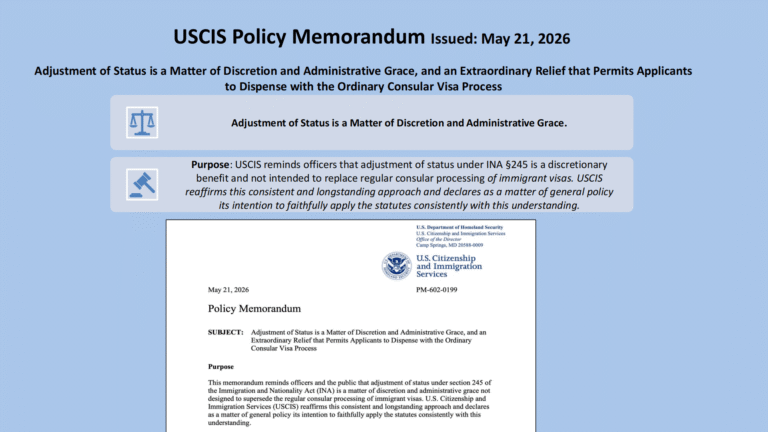
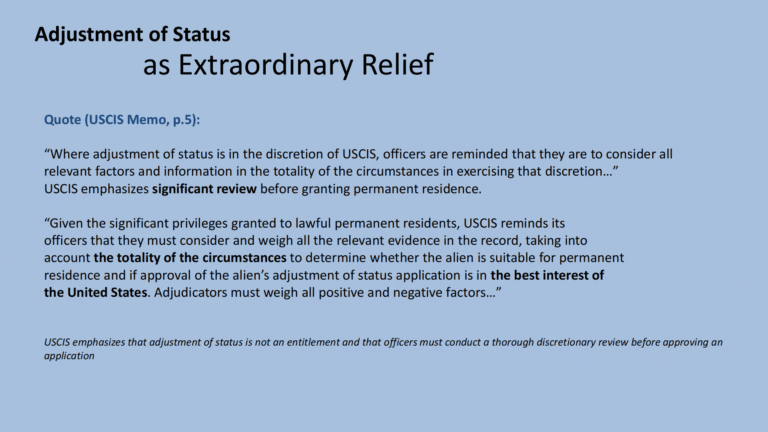
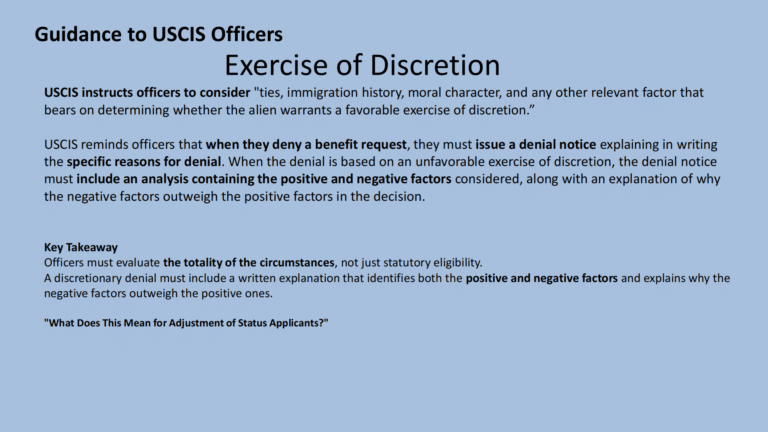
Topic 1: Immigration Law Update (Guest: Andrew Johnson)

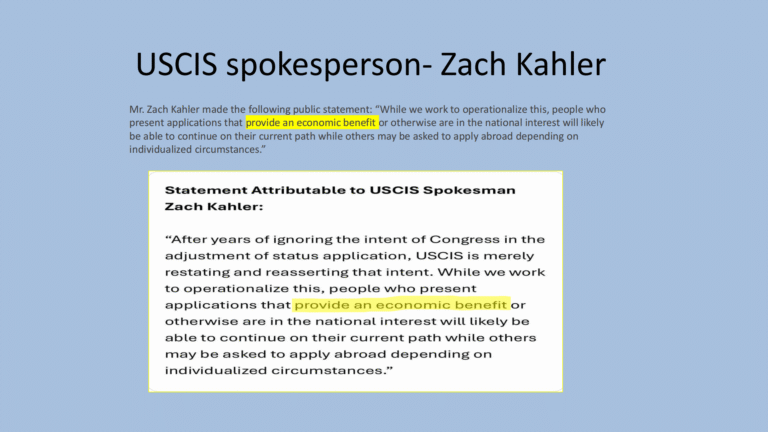
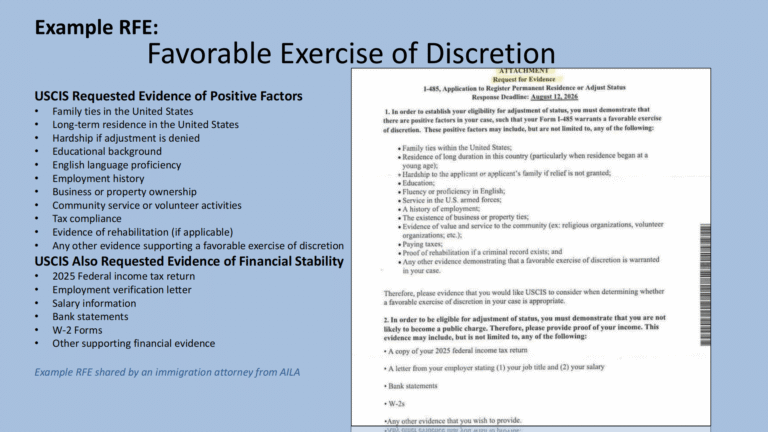
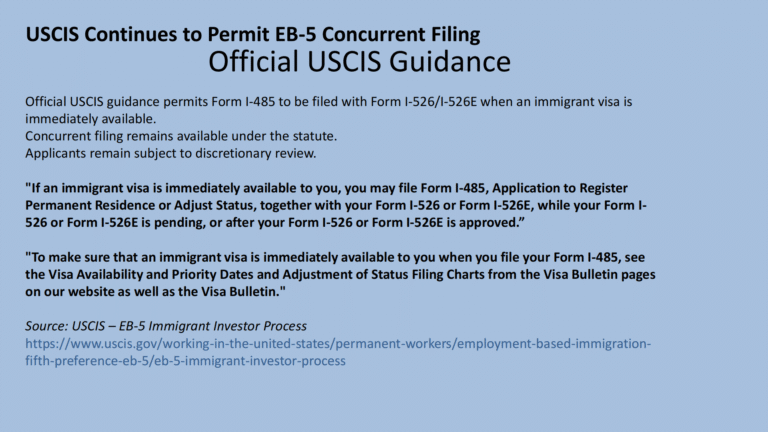
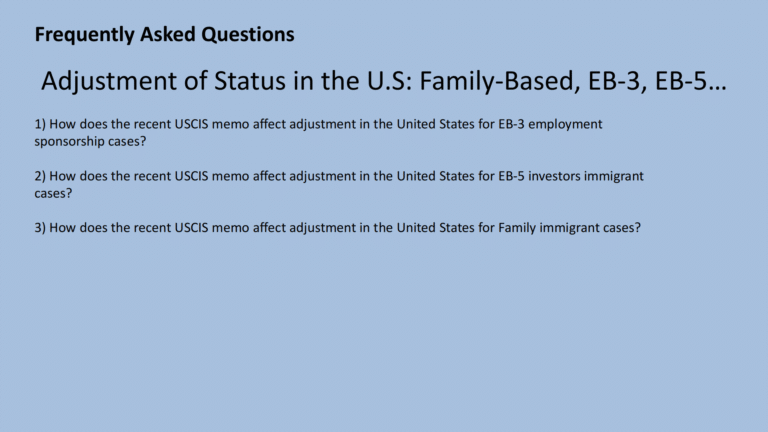
Topic 2: Market Musings (Thuy Tran)























Would you like to attend our next event?
Register to stay up to date and never miss important event information.
Invest Smart. Live Well.
Concast 5: AI for Business & Market Musings
Wizdom: "The Importance of Teching Financial Literacy to Young Aduts"
Wealth: Thuy’s Market Musings
By Thuy Tran, Adriana Lucas- Jul 27, 2026
Event Overview
The recap for this episode is currently being prepared. Please check back soon for the full highlights and key takeaways.
Meet the Speakers & Guests
Thuy Tran
Chief Investment Officer at KUYR

Adriana Lucas
Associate Director, UCI Merage School of Business
Featured Moments
Topic 1: Immigration Law Update (Guest: Andrew Johnson)
Topic 2: Market Musings (Thuy Tran)
Would you like to attend our next event?
Register to stay up to date and never miss important event information.
Invest Smart. Live Well.
The Fair Labor Standards Act, commonly known as the FLSA, establishes federal requirements for minimum wage, overtime pay, employee records and youth employment.
These rules affect most small businesses, but federal law is only the starting point. State and local laws may require higher wages, daily overtime, meal periods, paid breaks or additional protections. When different standards apply, employers generally must comply with the rule that provides employees with greater protection.
Does the FLSA Apply to Small Businesses?
A business may be covered by the FLSA through enterprise coverage or individual employee coverage.
Enterprise coverage generally applies when a business:
- Has at least $500,000 in annual sales or business volume and engages in interstate commerce.
- Operates a hospital, healthcare facility, school or public agency.
- Conducts another activity specifically covered by federal law.
Even when the business does not meet the enterprise threshold, individual employees may still be protected if their work involves interstate commerce. This may include communicating with out-of-state customers, processing credit card transactions, ordering interstate supplies or handling goods that moved between states.
Because coverage is broad, employers should not assume that a small workforce or limited revenue automatically removes FLSA obligations.
Employees, Independent Contractors and Volunteers
Only employees receive the FLSA’s minimum wage and overtime protections, but calling someone an “independent contractor” does not determine the worker’s legal status.
The Department of Labor examines the economic reality of the relationship, including the worker’s independence, opportunity for profit or loss, investment, control, permanence and whether the work is integral to the business.
Small businesses should be especially careful when a worker:
- Performs the company’s primary service.
- Works indefinitely for one business.
- Uses equipment supplied by the company.
- Has little control over scheduling or pricing.
- Has no independent customers or business operation.
Private for-profit businesses also generally cannot use unpaid volunteers to perform work that would normally be completed by employees.
Federal Minimum Wage Requirements
The federal minimum wage remains $7.25 per hour for covered nonexempt employees. When a state or local minimum wage is higher, the employee generally must receive the higher rate.
Employers must count all compensable time, including work they allow employees to perform even when it was not requested or scheduled. This can include certain preparation, closing, remote work and after-hours communication.
An employer may discipline an employee for violating scheduling or overtime policies, but it generally must still pay for work it knew or should have known was performed.
Rules for Tipped Employees
Under federal law, an employer using the tip credit may pay a tipped employee a direct cash wage of at least $2.13 per hour and claim up to $5.12 per hour as a tip credit.
The employer must:
- Inform the employee about the tip-credit rules.
- Ensure cash wages and tips equal at least the applicable minimum wage.
- Pay any shortage when tips are insufficient.
- Allow employees to retain their tips, except for a lawful tip pool.
- Exclude managers and supervisors from receiving employee tips, subject to limited rules for tips they receive directly.
State laws may require a higher direct wage or prohibit the federal tip-credit approach entirely.
How Is Overtime Pay Calculated?
Covered nonexempt employees must receive at least 1.5 times their regular rate for hours worked beyond 40 in a fixed seven-day workweek.
Overtime must be calculated by workweek, not averaged across a two-week or monthly pay period. For example, an employee who works 45 hours during one week and 35 hours during the next has five overtime hours in the first week.
The regular rate may include more than an employee’s hourly wage. Certain commissions, nondiscretionary bonuses and incentive payments may need to be included when calculating overtime.
Private employers generally cannot replace required overtime pay with compensatory time off in a later workweek.
Does Paying a Salary Eliminate Overtime?
No. Paying an employee a salary does not automatically make the employee exempt from overtime.
Most executive, administrative and professional exemptions require the employee to satisfy three elements:
- The employee is paid on a salary basis.
- The employee meets the applicable salary threshold.
- The employee performs qualifying exempt duties.
As of 2026, the standard federal salary threshold is $684 per week, equivalent to $35,568 annually. The higher thresholds created by the 2024 overtime rule were vacated by a federal court. The Department of Labor restored the operative 2019 regulatory thresholds in 2026.
Job titles such as “manager,” “administrator” or “specialist” do not establish an exemption. The employee’s actual responsibilities and compensation must satisfy all applicable requirements.
Outside sales employees and certain doctors, lawyers and teachers are subject to different tests.
Common Wage and Hour Mistakes
Frequent FLSA compliance problems include:
- Treating all salaried employees as overtime-exempt.
- Allowing employees to work before clocking in or after clocking out.
- Averaging hours across multiple workweeks.
- Failing to include applicable bonuses or commissions in the regular rate.
- Deducting uniforms, tools or shortages when doing so reduces pay below the required minimum wage.
- Incorrectly classifying employees as independent contractors.
- Giving private-sector employees time off instead of required overtime pay.
- Failing to record remote or after-hours work.
- Assuming unauthorized overtime does not need to be paid.
A written policy is helpful, but it does not protect an employer that knows employees are performing unpaid work.
Child Labor Requirements
Federal law restricts the hours and occupations available to employees under 18.
For most nonagricultural employment:
- Children under 14 generally cannot be employed in FLSA-covered jobs, subject to limited exceptions.
- Employees ages 14 and 15 may work only in permitted nonhazardous occupations and during restricted hours outside school.
- Employees ages 16 and 17 may work unlimited federal hours but cannot perform occupations declared hazardous.
- Federal youth-employment restrictions normally end at age 18.
For 14- and 15-year-olds, federal limits generally include no more than three hours on a school day, 18 hours during a school week, eight hours on a nonschool day and 40 hours during a nonschool week.
State laws may impose stricter schedules, work-permit requirements or additional prohibited occupations.
Payroll Recordkeeping Requirements
Covered employers must maintain accurate records showing how employee wages were calculated.
Important records include:
- Employee identity and occupation.
- The beginning of the employee’s workweek.
- Hours worked each day and workweek.
- Regular hourly rate.
- Straight-time and overtime earnings.
- Additions to and deductions from wages.
- Total wages and applicable pay period.
Payroll records generally must be retained for at least three years. Documents supporting wage calculations, such as timecards, schedules and wage-rate tables, generally must be retained for at least two years.
Records may be electronic or paper, but they must be accurate and accessible.
Required Workplace Posters
Employers with employees covered by the FLSA must display the official “Employee Rights Under the Fair Labor Standards Act” poster where workers can readily see it.
Federal posters are available from the Department of Labor at no cost. Employers should also check state and local posting requirements and replace outdated notices when necessary.
Penalties and Protection Against Retaliation
Wage and hour violations can result in back wages, an equal amount in liquidated damages, civil penalties and legal expenses. Willful or repeated violations may lead to additional consequences.
Employers must not terminate, threaten, demote or otherwise retaliate against an employee for making a wage complaint or participating in an investigation. Protected complaints may be oral or written and can include internal reports made to the employer.
Wage and Hour Compliance Checklist
Small businesses can reduce compliance risks by taking these steps:
- Identify which federal, state and local wage laws apply.
- Review every employee and contractor classification.
- Confirm that exempt employees satisfy both salary and duties tests.
- Record all working time, including remote and after-hours work.
- Calculate overtime separately for each workweek.
- Include applicable bonuses and commissions in the regular rate.
- Audit tipped-employee notices and tip-pooling arrangements.
- Review jobs and schedules before employing workers under 18.
- Retain payroll and timekeeping records for the required periods.
- Display current workplace posters.
- Train supervisors not to permit off-the-clock work.
- Investigate wage complaints without retaliation.
Frequently Asked Questions
Do small businesses have to pay overtime?
Yes, when the business or employee is covered by the FLSA and the employee does not qualify for a specific exemption.
Is every salaried employee exempt from overtime?
No. Salary alone is insufficient. The employee must satisfy the applicable salary basis, salary level and job duties requirements.
Can employees waive their overtime pay?
No. An employee cannot privately agree to give up overtime protections established by the FLSA.
Can overtime be averaged over two weeks?
Generally, no. Overtime must normally be calculated separately for each seven-day workweek.
Must unauthorized overtime still be paid?
Generally, yes, if the employer knew or should have known the work was performed. The employer may enforce its scheduling policy separately.
How long should payroll records be retained?
Core payroll records generally must be kept for three years, while supporting wage-calculation records generally must be kept for two years.
Legal Notice
This article provides general educational information and is not legal advice. Wage and hour requirements can change and may differ by state, locality, industry and employee position. Employers should consult current government guidance or qualified employment counsel before making classification or payroll decisions.
Popular Posts
Federal employment laws regulate how businesses hire, pay, manage and protect employees. Some laws apply to nearly every employer, while others take effect only when a business reaches a specific employee threshold.
Small business owners should also remember that state and local laws may provide greater employee protections than federal law. When multiple rules apply, employers generally must follow the standard that offers employees greater protection.
Wage, Overtime and Equal Pay Requirements
he Fair Labor Standards Act establishes federal rules for minimum wage, overtime, recordkeeping and youth employment.
Covered nonexempt employees must receive:
- At least the federal minimum wage of $7.25 per hour, unless a higher state or local minimum wage applies.
- Overtime pay of at least 1.5 times their regular rate for hours worked beyond 40 in a workweek.
- Payment for all compensable working time, including certain work performed before or after scheduled hours.
Employers should accurately record working hours and avoid classifying employees as exempt from overtime based solely on job titles.
The Equal Pay Act also prohibits sex-based pay differences when employees perform substantially equal work. Pay differences may be permitted when supported by legitimate factors such as seniority, performance, productivity, education, training or experience.
Break Time and Space for Nursing Employees
Under the PUMP Act, most FLSA-covered employees are entitled to reasonable break time and a private place to express breast milk for up to one year after childbirth.
The designated space must:
- Be shielded from view.
- Be protected from intrusion.
- Be available when needed.
- Not be a bathroom.
Pump breaks do not always have to be paid. However, the time must be compensated when the employee continues working, is not completely relieved of duties or uses an employer-provided paid break.
Businesses with fewer than 50 employees may claim an undue-hardship exemption only when they can demonstrate significant difficulty or expense under their particular circumstances.
Employee Organizing and Workplace Discussions
The National Labor Relations Act protects many private-sector employees, including employees working at businesses without a union.
Protected concerted activities may include:
- Discussing wages, benefits and working conditions.
- Raising a group workplace complaint.
- Circulating a petition.
- Acting with coworkers to improve schedules or workplace safety.
- Contacting an employer or government agency about shared workplace concerns.
Employers should avoid policies that broadly prohibit employees from discussing compensation or working conditions. Retaliation against protected concerted activity may violate federal law.
Which Anti-Discrimination Laws Apply to Small Businesses?
The applicable federal law often depends on the employer’s workforce size:
- Nearly all covered employers: Equal Pay Act.
- Four or more employees: Certain immigration-related discrimination protections.
- 15 or more employees: Title VII, Pregnancy Discrimination Act, Americans with Disabilities Act, Genetic Information Nondiscrimination Act and Pregnant Workers Fairness Act.
- 20 or more employees: Age Discrimination in Employment Act, protecting individuals age 40 and older.
These laws may prohibit discrimination based on race, color, religion, sex, pregnancy, national origin, disability, genetic information and age. They also protect employees and applicants from retaliation for reporting suspected discrimination or participating in an investigation.
State laws may cover employers with fewer employees.
Disability and Pregnancy Accommodations
Under the Americans with Disabilities Act, covered employers must consider reasonable accommodations that enable a qualified employee or applicant with a disability to perform essential job functions, unless the accommodation would create an undue hardship.
The Pregnant Workers Fairness Act provides similar accommodation rights for known limitations related to pregnancy, childbirth and associated medical conditions.
A compliant process should include:
- Receiving the accommodation request.
- Discussing the employee’s limitations and job duties.
- Identifying possible effective accommodations.
- Documenting the decision.
- Reviewing the arrangement when circumstances change.
Employers generally should not force an employee to take leave when another reasonable accommodation would allow the employee to continue working.
Hiring, Interviews and Form I-9 Compliance
Every employer must verify the identity and employment authorization of newly hired employees using Form I-9.
Completed forms must generally be retained for three years after the hire date or one year after employment ends, whichever is later. Employers should use the same verification process consistently and should not demand specific documents based on citizenship or national origin.
Interview questions should concentrate on job-related qualifications. Avoid questions about an applicant’s age, religion, disability, medical or genetic information, pregnancy, family plans or national origin.
Instead of asking about citizenship, employers may ask whether the applicant is legally authorized to work in the United States and whether future sponsorship will be required.
Family and Medical Leave Requirements
The Family and Medical Leave Act generally applies to private employers with 50 or more employees.
An employee normally becomes eligible after:
- Working for the employer for at least 12 months.
- Completing at least 1,250 hours of service during the previous 12 months.
- Working at a location where the employer has at least 50 employees within 75 miles.
Eligible employees may receive up to 12 weeks of job-protected unpaid leave for qualifying family and medical reasons. Up to 26 weeks may be available for military caregiver leave.
Covered employers must provide the required notices, protect applicable health benefits and maintain appropriate leave records.
Workplace Safety and OSHA Reporting
Employers must provide a workplace free from recognized serious hazards and comply with applicable OSHA safety standards.
All employers under OSHA jurisdiction must report:
- A work-related fatality within eight hours.
- An inpatient hospitalization, amputation or loss of an eye within 24 hours.
Some businesses with ten or fewer employees may be exempt from routine OSHA injury and illness recordkeeping. This exemption does not remove the obligation to maintain a safe workplace or report severe incidents.
Small Business Employment Law Checklist
Small businesses can reduce compliance risk by taking these practical steps:
- Confirm whether employees are correctly classified as exempt or nonexempt.
- Maintain accurate payroll, working-time and personnel records.
- Review workplace posters and required employee notices.
- Create procedures for discrimination, harassment and retaliation complaints.
- Establish an interactive accommodation process.
- Audit Form I-9 completion and retention.
- Document family and medical leave decisions.
- Review employee handbook policies regularly.
- Train supervisors on interviews, discipline and protected employee activity.
- Maintain workplace safety procedures and incident-reporting contacts.
Frequently Asked Questions
Do federal employment laws apply to very small businesses?
Yes. Wage, equal-pay, Form I-9, labor-rights and workplace-safety requirements may apply even when a business has only a few employees.
Can employees discuss their wages?
In many private-sector workplaces, employees have a federally protected right to discuss wages and working conditions with coworkers.
Does every pump break have to be paid?
Not necessarily. It generally must be paid if the employee works during the break, is not completely relieved of duties or uses an otherwise paid rest break.
Does an OSHA recordkeeping exemption eliminate all OSHA obligations?
No. An exempt business must still maintain a safe workplace and report qualifying fatalities and severe injuries.
Are state employment laws important?
Yes. State and local laws may establish higher wages, broader leave rights or lower employee thresholds than federal law.
Legal Note
This article provides general educational information and is not legal advice. Employers should review current federal, state and local requirements and consult qualified employment counsel regarding specific situations.
Popular Posts
How to Create an Employee Handbook for a Small Business
An employee handbook explains workplace expectations, gives employees a consistent source of information and helps managers apply company policies fairly.
It should reflect the business’s actual practices rather than repeat a generic template. Before publication, every policy should be reviewed against current federal, state and local laws.
A handbook should also state that it provides a general policy overview and is not an employment contract or guarantee of employment for a specific period, subject to applicable law.
Essential Employee Handbook Policies
A practical small business handbook should address the following areas.
Employment Relationship
Explain the purpose of the handbook, the company’s ability to revise policies and whether employment is at will.
At-will language must be reviewed carefully because state requirements vary, and an overly broad disclaimer may conflict with other employee rights.
Equal Employment and Anti-Harassment
Include policies covering:
- Equal employment opportunity
- Non-discrimination
- Reasonable accommodation
- Harassment and sexual harassment
- A clear complaint procedure
- An alternative reporting contact
- Prompt investigations
- Protection against retaliation
Federal discrimination laws apply at different employee thresholds, while state and local laws may cover smaller businesses or additional protected classes. The EEOC provides a current small-business coverage guide.
Pay and Employment Classification
Describe:
- Pay periods and payment methods
- Exempt and non-exempt classifications
- Overtime authorization and payment
- Timekeeping requirements
- Full-time, part-time and temporary status
- Procedures for reporting payroll errors
A policy cannot eliminate the obligation to pay employees for compensable time, even when overtime was not authorized in advance.
Attendance and Leave
Explain work schedules, attendance, tardiness, meal periods, rest breaks and procedures for requesting time off.
Include only leave policies that apply to the business and location, such as:
- Vacation or paid time off
- Paid sick leave
- Family and medical leave
- Jury-duty leave
- Voting leave
- Military leave
- Other protected state or local leave
Private-sector FMLA coverage generally begins at 50 employees, with additional eligibility conditions. Covered employers also have specific notice obligations, according to the Department of Labor.
Workplace Conduct and Company Property
Set reasonable expectations for:
- Professional conduct
- Dress and safety equipment
- Drugs and alcohol
- Company computers, phones and vehicles
- Confidential information
- Cybersecurity
- Personnel records and privacy
- Social media
- Conflicts of interest
Social media and confidentiality policies should not prohibit employees from discussing wages, working conditions or engaging in other legally protected activity.
Safety and Emergency Procedures
Explain how employees should report:
- Workplace hazards
- Injuries and illnesses
- Threats or suspicious activity
- Vehicle accidents
- Emergencies
Identify the appropriate contact person, emergency exits and any required protective equipment. Industry-specific OSHA programs may need separate written policies.
Performance, Discipline and Termination
Describe general performance expectations and possible grounds for discipline without promising one rigid procedure in every case.
An overly detailed progressive-discipline policy can create risk if managers do not follow every stated step consistently.
The termination section should address:
- Notice of resignation
- Return of company property
- Final payroll
- Benefits continuation
- Exit interviews
- Protection of confidential information
Final-paycheck timing and permitted deductions vary significantly by state.
Benefits
Provide only a brief description of offered benefits and eligibility. Formal plan documents should control if they conflict with the handbook.
Potential benefits include health insurance, retirement plans, workers’ compensation and disability coverage.
Customize the Handbook Before Using It
A model handbook should never be distributed without revision. Employers should:
- Replace every placeholder
- Remove benefits and policies the business does not offer
- Match policies to actual workplace practices
- Identify responsible managers and reporting contacts
- Add applicable state and local requirements
- Confirm employee-count thresholds
- Review wage, leave, privacy and final-pay rules
- Translate policies when necessary
- Make the handbook accessible to employees with disabilities
Businesses operating in multiple states may need state-specific supplements.
Avoid Common Employee Handbook Mistakes
The most common risks include:
- Copying an outdated template
- Promising procedures managers do not consistently follow
- Using an overbroad confidentiality or social media policy
- Misclassifying employees as exempt
- Omitting state-required sick leave or other protected leave
- Describing benefits differently from formal plan documents
- Making unlawful deductions from final wages
- Failing to provide an alternative harassment-reporting channel
- Treating the handbook as a substitute for manager training
- Failing to document employee receipt
Policies should be reviewed by an employment attorney familiar with the states and localities where employees work.
Distribute, Acknowledge and Update the Handbook
Provide every employee with the current handbook and obtain a signed or electronic acknowledgment confirming receipt and responsibility for reading it.
The acknowledgment should not require employees to waive legal rights. Keep the employer’s copy in the personnel record.
Review the handbook at least annually and whenever employment laws, benefits or company practices change. Document the effective date and communicate material revisions to employees.
Key Takeaways
A useful employee handbook is clear, concise and tailored to the business. It should explain employee rights, company expectations, reporting procedures, pay practices, leave, safety, discipline, benefits and separation from employment.
The handbook must accurately reflect what the company does. Consistent enforcement, manager training and regular legal review are just as important as the written policies.
Popular Posts
ADA Website Accessibility: What Small Businesses Need to Know
An inaccessible website can prevent people with disabilities from accessing a business’s products and services. Common barriers include missing image descriptions, videos without captions, poor color contrast, inaccessible forms and pages that cannot be operated with a keyboard.
Courts have taken different approaches to applying the Americans with Disabilities Act to websites. However, the Department of Justice maintains that businesses open to the public must make their online goods and services accessible.
Private businesses do not currently have one detailed federal technical standard under Title III. Nevertheless, the Web Content Accessibility Guidelines 2.1 Level AA, or WCAG 2.1 AA, are widely used as a practical accessibility benchmark.
The Four Principles of an Accessible Website
WCAG organizes accessibility around four principles known as POUR.
Perceivable
Users must be able to perceive the information presented. Important practices include:
- Adding alternative text to meaningful images
- Providing captions and transcripts for media
- Maintaining sufficient color contrast
- Allowing users to resize text
- Avoiding instructions that depend only on color
Operable
Users must be able to control and navigate the website.
- Make all functions available by keyboard
- Provide visible keyboard focus
- Use descriptive page titles and headings
- Give users enough time to complete tasks
- Avoid flashing content that may trigger seizures
- Include ways to bypass repeated navigation
Understandable
Content and controls should behave predictably.
- Use clear language and consistent navigation
- Identify the page’s primary language
- Label forms and explain required information
- Provide useful error messages
- Allow users to review important submissions
- Use icons and controls consistently
Robust
Website content should work with different browsers and assistive technologies.
- Use valid semantic HTML
- Give controls accessible names and roles
Ensure forms work with screen readers - Announce important status and error messages
- Avoid custom components that assistive technology cannot interpret
ADA Website Accessibility Checklist
Small businesses should prioritize the parts of the website customers need to complete important tasks.
- Add descriptive alt text to meaningful images
- Caption videos and provide transcripts for audio
- Check text and interface color contrast
- Make menus, forms and checkout usable by keyboard
- Use a logical heading structure
- Label every form field clearly
- Provide instructions for correcting errors
- Avoid links labeled only “click here”
- Make downloadable documents accessible
- Test zoom and text resizing
- Include an accessible way to report problems
- Review third-party booking, payment and ordering tools
Pay particular attention to the homepage, contact page, product pages, account login, reservations, forms and checkout process.
How to Test Website Accessibility
Start with an automated accessibility scan, but do not rely on it alone. Automated tools detect only some WCAG failures and cannot determine whether the entire customer experience is accessible.
A stronger review combines:
- Automated testing to identify common technical errors
- Keyboard testing to confirm every function works without a mouse
- Screen-reader testing to evaluate navigation, labels and announcements
- Manual review of headings, forms, contrast and content clarity
- User testing involving people with disabilities when possible
The W3C WCAG Quick Reference provides detailed success criteria and implementation guidance.
Build Accessibility Into Website Maintenance
Accessibility is not a one-time project. New pages, products, plugins and third-party tools can introduce additional barriers.
Businesses should establish a simple maintenance process:
- Require accessibility in developer and vendor contracts
- Test new features before publication
- Recheck important pages periodically
- Train employees who publish website content
- Record audits and completed corrections
- Respond quickly when a user reports a problem
- Obtain legal advice after receiving an ADA demand letter or lawsuit
An accessibility statement may explain the business’s commitment and provide a way to request assistance, but it does not replace an accessible website.
Key Takeaways
Small businesses should treat website accessibility as part of customer service, risk management and routine website maintenance.
WCAG 2.1 AA provides a practical framework built around four requirements: content must be perceivable, operable, understandable and robust. Businesses should begin with high-traffic customer journeys, combine automated and manual testing and correct barriers according to their impact on users.
The Department of Justice offers additional guidance on web accessibility and the ADA.
Popular Posts
Responding to ADA Lawsuits: A Guide for Small Businesses
Small businesses open to the public generally have obligations under the Americans with Disabilities Act to provide people with disabilities equal access to their goods, services and facilities.
These requirements may affect physical locations, business policies, customer communications and online services. When a business receives an ADA demand letter or lawsuit, it should take the claim seriously, preserve evidence and obtain experienced legal advice rather than ignoring the complaint or settling immediately.
This guide explains the principal steps small business owners should consider when responding to an ADA accessibility claim.
What Does the ADA Require From Small Businesses?
Title III of the ADA applies to many businesses that serve the public, including stores, restaurants, hotels, medical offices, banks, gyms and private schools.
Covered businesses must generally:
- Give people with disabilities equal access to goods and services
- Communicate effectively with customers with disabilities
- Make reasonable modifications to policies and procedures
- Follow accessibility standards when constructing or altering facilities
- Remove existing architectural barriers when removal is readily achievable
Review Physical Accessibility Barriers
Older buildings may contain steps, narrow routes, inaccessible entrances, improperly configured parking spaces or other barriers. A business may be required to remove these barriers when doing so is readily achievable.
Because accessibility standards can be complicated, owners should consider arranging a professional inspection rather than relying solely on a visual review.
The NFIB guide recommends contacting the city or another qualified professional to determine whether a certified access specialist can inspect the property and identify necessary modifications.
Businesses that lease their locations should also review the lease to determine how accessibility responsibilities are allocated between the tenant and landlord. Contractual language does not necessarily eliminate obligations to customers under the ADA.
Does the ADA Apply to Business Websites?
Website accessibility remains a significant source of ADA litigation. Federal courts have not always used the same legal analysis, but the Department of Justice has consistently taken the position that businesses open to the public must make online goods and services accessible to people with disabilities.
Common digital barriers include:
- Images without alternative text
- Videos without captions
- Forms without accessible labels
- Insufficient color contrast
- Content that cannot be enlarged
- Pages that cannot be navigated with a keyboard
- Inaccessible menus and checkout processes
- Unclear form errors or instructions
The DOJ does not currently prescribe one detailed technical standard for private businesses under Title III. However, its guidance identifies the Web Content Accessibility Guidelines as a useful technical reference. Businesses commonly use WCAG 2.1 Level AA as a practical accessibility benchmark.
What Should You Do After Receiving an ADA Complaint?
A business receiving an ADA demand letter, complaint or lawsuit should avoid ignoring it or responding informally without legal guidance.
The following five steps summarize the response process recommended in the NFIB guide.
Step 1: Take the Complaint Seriously
Read the entire demand letter or complaint and record every applicable deadline. Failure to respond to a filed lawsuit may lead to a default judgment or other serious consequences.
If the claim concerns a physical accessibility barrier, notify the business’s insurance carrier immediately and ask whether the policy provides defense counsel or reimbursement for legal expenses.
If coverage is unavailable, or if the claim concerns website accessibility, contact an attorney experienced in ADA litigation. The attorney should review the alleged violations, applicable jurisdiction and available response options before the business agrees to a settlement.
Step 2: Preserve and Document Evidence
The business should create its own detailed record of the conditions involved in the complaint.
For a physical location, this may include:
- Photographs and video of entrances and exits
- Measurements of doors, aisles, counters and parking spaces
- Records of ramps or alternative accessible routes
- Building plans and previous accessibility work
- Maintenance and repair records
- Communications with the landlord
- Receipts and contracts for completed modifications
For a website claim, preserve:
- Copies or screenshots of the pages identified
- Website versions and deployment records
- Accessibility test reports
- Developer communications
- Records of past remediation
- Logs showing when corrections were implemented
Owners should coordinate documentation with legal counsel so evidence is collected and preserved appropriately.
Step 3: Notify the Landlord
If the business leases its property, the owner should notify the landlord immediately and provide a copy of the claim.
Review the lease for provisions addressing:
- ADA compliance
- Structural modifications
- Common areas
- Defense and indemnification
- Insurance requirements
- Responsibility for legal fees
The NFIB guide advises tenants to tender a formal demand for defense promptly. Waiting too long may make it more difficult to recover defense costs or require the landlord to participate.
Both landlords and tenants may have legal exposure, so neither party should assume the lease alone resolves responsibility under the ADA.
Step 4: Discuss Prompt Remediation With Counsel
Ask the attorney whether the business should correct the alleged barrier immediately.
Prompt remediation may demonstrate good faith, improve customer access and affect the available legal remedies. In some cases, correcting the issue may support dismissal or encourage the plaintiff to withdraw the claim.
However, modifications should be coordinated with counsel and qualified accessibility professionals. A rushed repair that does not meet applicable standards could create additional problems or compromise the business’s legal position.
Step 5: Conduct a Comprehensive Accessibility Review
Do not assume that correcting only the issues listed in the complaint will eliminate future risk.
A demand letter may identify only a portion of the accessibility problems at a property or website. Another plaintiff could later challenge a different entrance, parking space, form, image or checkout feature.
Businesses should consider a broader review covering:
- Parking and exterior routes
- Entrances and doors
- Interior aisles and counters
- Restrooms
- Signs and customer communication
- Policies affecting service animals or mobility devices
- Online forms and checkout systems
- Images, videos and downloadable documents
- Keyboard navigation and screen-reader compatibility
Document the review, remediation plan, completed work and procedures for maintaining accessibility.
Can Tax Incentives Help Pay for ADA Improvements?
Federal tax incentives may help eligible businesses offset some accessibility expenses.
Architectural Barrier Removal Tax Deduction
Businesses may be able to deduct up to $15,000 per year for qualified expenses related to removing architectural and transportation barriers.
Disabled Access Credit
Certain small businesses may qualify for a non-refundable credit for eligible accessibility expenses. According to the IRS, an eligible small business is generally one that had gross receipts of $1 million or less or no more than 30 full-time employees during the preceding tax year.
Eligible businesses claim the credit using IRS Form 8826. The credit and barrier-removal deduction may sometimes be used during the same tax year when the expenses satisfy the applicable requirements. See the IRS overview of disability-access tax benefits.
Tax rules and eligibility requirements should be confirmed with a qualified tax professional before claiming an incentive.
Does Business Insurance Cover ADA Lawsuits?
Standard general liability and cyber liability policies may exclude ADA accessibility claims. Some Employment Practices Liability Insurance policies may provide coverage for defense costs or legal fees, depending on their language.
Even when a policy covers the defense, it may not pay for renovations, website remediation or other compliance work.
Business owners should ask their insurance agent or broker to review:
- Defense-cost coverage
- ADA and discrimination exclusions
- Notice requirements
- Choice of counsel
- Deductibles and policy limits
- Coverage for website accessibility claims
- Coverage for physical remediation
Potential claims should be reported promptly in accordance with the policy.
How Can Businesses Reduce the Risk of Future ADA Lawsuits?
A proactive accessibility program is usually more effective than waiting for a complaint.
Small businesses should consider:
- Scheduling periodic physical accessibility inspections
- Testing websites using both automated and manual methods
- Using WCAG 2.1 Level AA as a practical technical benchmark
- Training employees on disability access and effective communication
- Establishing a way for customers to report accessibility problems
- Responding quickly to accessibility requests
- Including accessibility requirements in vendor contracts
- Maintaining records of inspections, updates and repairs
- Reviewing leases and insurance policies
- Consulting counsel when legal requirements are unclear
Popular Posts
A credit card chargeback occurs when a cardholder disputes a transaction and asks the card issuer to reverse the payment. Although chargebacks can protect consumers from unauthorized transactions, they can also create substantial costs for legitimate businesses.
A merchant may lose the revenue from the sale, pay a processing or chargeback fee and lose the product or resources invested in delivering the order. Small businesses can reduce these losses by understanding why disputes happen, responding before the deadline and maintaining strong transaction records.
Why Do Credit Card Chargebacks Happen?
Most credit card chargebacks fall into three categories:
- Credit card fraud: Stolen card information is used to make an unauthorized purchase.
- Merchant or processor error: A customer is charged twice, the wrong amount is entered or the payment platform processes the transaction incorrectly.
- Friendly fraud: The customer received the product or service but disputes the transaction anyway.
Friendly fraud may occur because the customer forgot about the purchase, did not recognize the merchant name on the statement, was dissatisfied with the order or misunderstood the return policy.
Why Are Chargebacks Costly for Small Businesses?
A chargeback can create what the NFIB guide describes as a triple financial loss.
First, the business loses the revenue and expected profit from the transaction. Second, the payment processor may impose an additional chargeback fee. Third, the merchant may lose the product, shipping costs and other resources used to fulfill the order.
Frequent disputes can also damage a merchant’s reputation with banks and payment processors, potentially resulting in higher fees or additional restrictions.
Can a Small Business Fight a Chargeback?
Yes. Merchants have the right to dispute a chargeback through a process known as chargeback representment.
During representment, the merchant submits evidence to the bank showing that the original transaction was legitimate and asks for the chargeback decision to be reversed.
A strong response must address the specific reason provided by the card issuer, meet the submission deadline and include documents that directly support the merchant’s position.
Identify the Chargeback Reason Code
After receiving a chargeback notice, the merchant should identify the associated reason or condition code. This alphanumeric code explains why the transaction is being disputed.
Common reasons include:
- An allegedly unauthorized transaction
- Misrepresentation of a product or service
- An incorrect account number
- Duplicate payment processing
- An incorrect transaction amount
Even when the merchant believes the stated reason is inaccurate, the response must address that specific code. Businesses should also review their merchant services agreement to understand applicable policies and appeal procedures.
How to Submit a Chargeback Representment Case
A small business can prepare a representment case through four primary steps.
Step 1: Respond Immediately
Chargeback responses are subject to strict deadlines. The amount of time available depends on the card network, issuing bank and reason code.
Missing the deadline by even one day may eliminate the merchant’s right to dispute the chargeback. Business owners should review every notice as soon as it arrives and confirm the exact submission date.
Step 2: Gather Compelling Evidence
The bank will expect evidence showing that the disputed transaction was legitimate. Relevant records may include:
- Sales receipts or order forms
- Tracking information and proof of delivery
- A copy of the return or refund policy
- Proof that the policy was accessible to the customer
- Emails or other customer communications
- Signed delivery confirmations
- Evidence showing the customer used or received the service
The evidence should be organized around the specific chargeback reason code.
Step 3: Write a Rebuttal Letter
The merchant should submit a concise chargeback rebuttal letter explaining why the transaction was valid.
The letter should summarize the evidence, address the reason code directly and present the facts objectively. Emotional arguments, irrelevant information and lengthy explanations can make the response less effective.
Step 4: Submit the Complete Response
Before submitting the case, the merchant should verify that every required form and supporting document is included.
Businesses must also follow the issuer’s preferred submission method. Some banks accept documents by email or through an online portal, while others may require faxed forms.
What Happens After Representment?
The card issuer reviews the merchant’s evidence and decides whether to uphold or reverse the chargeback.
If the merchant wins, the transaction amount may be returned. However, the cardholder may be permitted to dispute the charge again by submitting new evidence.
The merchant can respond to a second dispute, but additional evidence beyond the original submission may be required.
When Should a Business Consider Arbitration?
If a chargeback remains unresolved after additional review, the merchant may have the option to request arbitration through the card network.
Arbitration resembles a simplified legal proceeding in which an arbitrator reviews the dispute and supporting evidence. However, the process may be expensive and time-consuming.
Before choosing arbitration, a business should compare the disputed amount with the likely fees, staff time and other costs. For smaller transactions, accepting the chargeback may cost less than continuing the case.
If arbitration is unsuccessful and the amount remains substantial, debt collection or other legal remedies may be available. Businesses should obtain appropriate legal advice before pursuing these options.
How Can Small Businesses Prevent Chargebacks?
Preventing disputes is generally more efficient than fighting them after they occur. The NFIB guide reports that merchants win chargeback disputes only about 32% of the time, making proactive procedures especially important.
Businesses can reduce chargebacks through the following measures.
Use a Recognizable Merchant Name
The business name appearing on a customer’s card statement should be clear and recognizable. An unfamiliar billing descriptor may cause a legitimate customer to believe the transaction is fraudulent.
Publish a Clear Return Policy
Return and refund policies should be easy to find before and during checkout. Customers should understand applicable deadlines, conditions, exclusions and procedures.
Providing an accessible email address and telephone number may also encourage customers to contact the business before filing a dispute.
Describe Products and Services Accurately
Product descriptions, photographs, delivery estimates and service terms should accurately represent what the customer will receive.
Clear information reduces misunderstandings and can also serve as evidence if a chargeback is later filed.
Maintain Detailed Transaction Records
Businesses should retain:
- Order and payment records
- Shipping and tracking information
- Delivery confirmations
- Customer communications
- Signed receipts or service agreements
- Copies of return policies
- Records showing when and how services were provided
Well-organized documentation allows the business to respond quickly before a chargeback deadline expires.
Additional Ways to Reduce Chargeback Risk
Small businesses can further reduce disputes by:
- Using a secure payment gateway
Requesting identification when appropriate - Obtaining customer signatures for valuable deliveries
- Responding promptly to customer questions
- Monitoring merchant accounts for suspicious activity
- Correcting duplicate or inaccurate charges immediately
- Training employees on payment and refund procedures
- Regularly reviewing merchant service agreements
These practices can prevent avoidable disputes while improving the customer experience.